

11 Feb Empowering older people for the digital world – ICTSkills4All Event Report
11 Feb, 2021
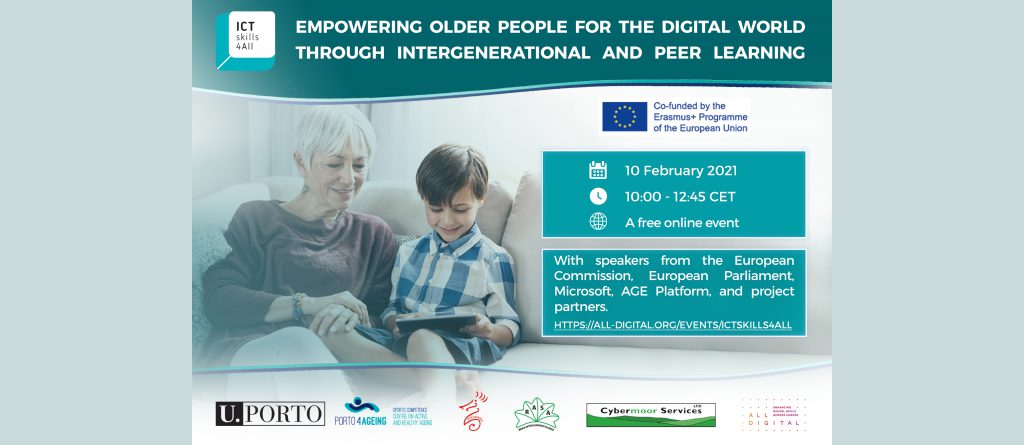
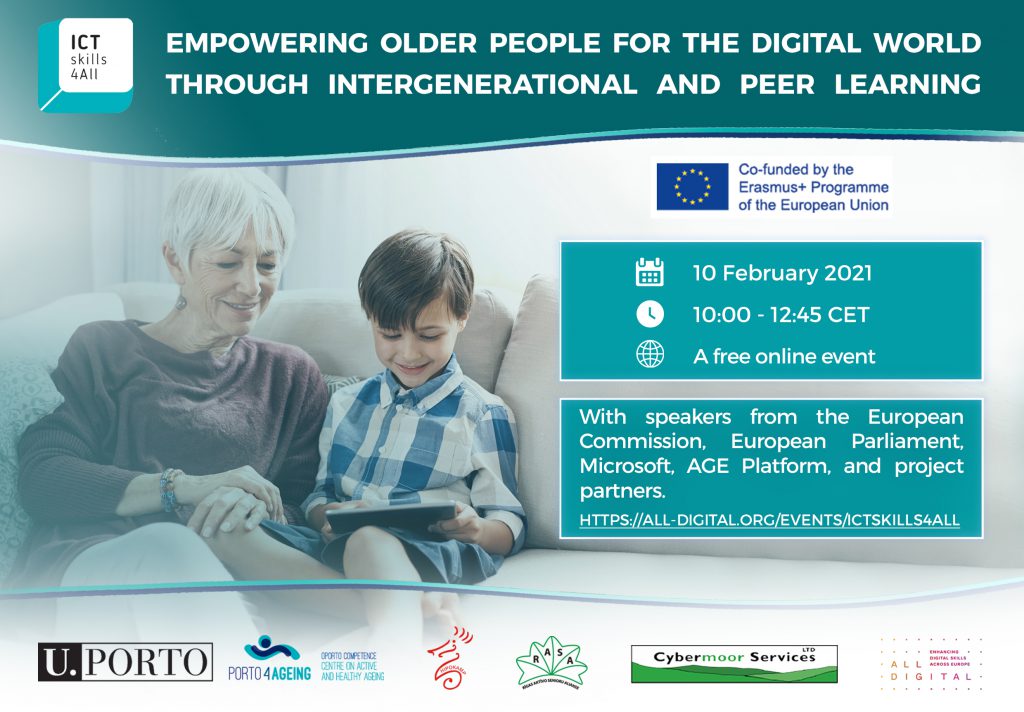
At the project closing event titled “Empowering older people for the digital world through intergenerational and peer learning” on 10 February 2021, more than 100 delegates heard from a panel of experts and the project partners about the issues and approaches surrounding this topic. Delegates learned about the project, its methodology and findings, as well as heard from older people themselves through a video.
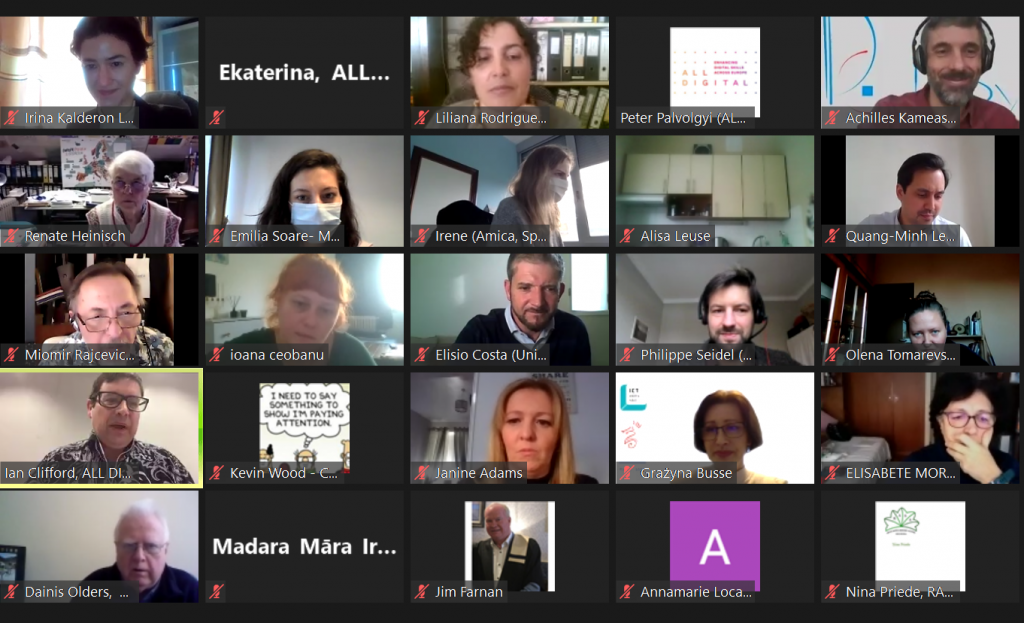
The event included the perspectives of politicians and policy makers, the sector representing older people, and the technology industry to consider how lessons and policy recommendations in response to these issues for older people can be adopted.
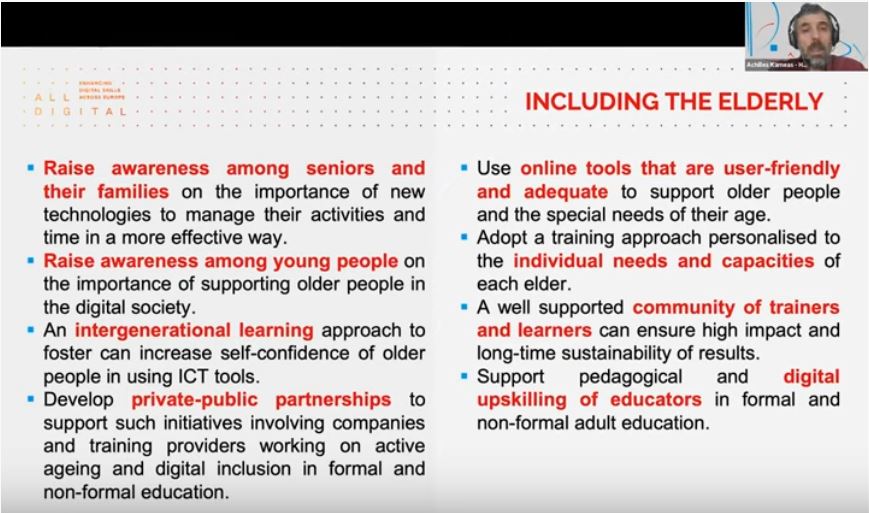
The event started with a welcome and overview of the work and network of ALL DIGITAL from Prof. Achilles Kameas, the Chair of ALL DIGITAL. Ian Clifford of ALL DIGITAL moderated the event.
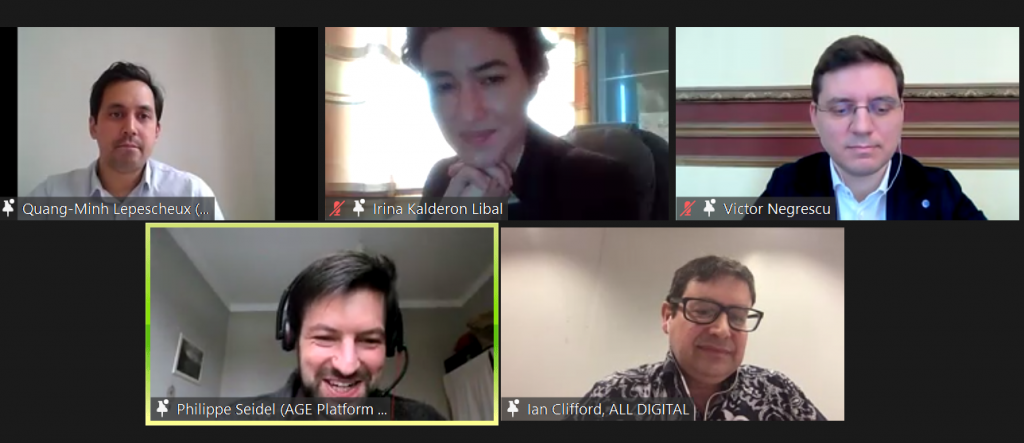
The first panel discussion brought together high-level speakers from the European Institutions and key stakeholders working in the field of digital inclusion to share their insights on how to better include older people in our digital society during and after Covid-19 pandemic.
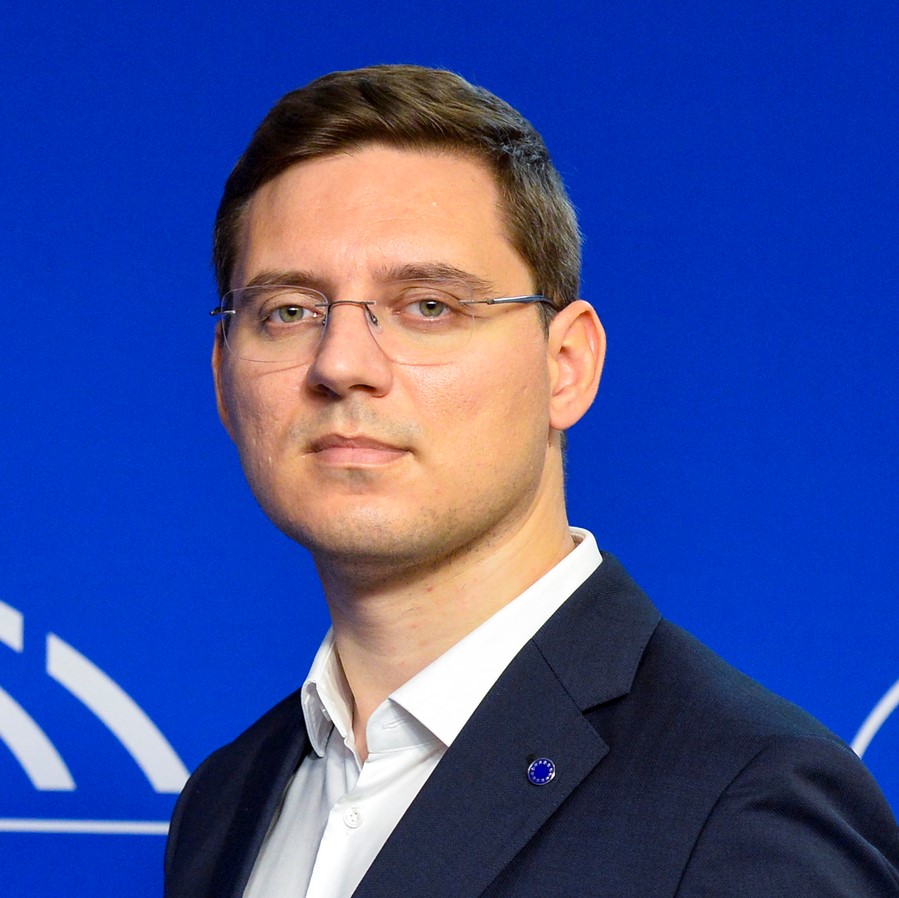
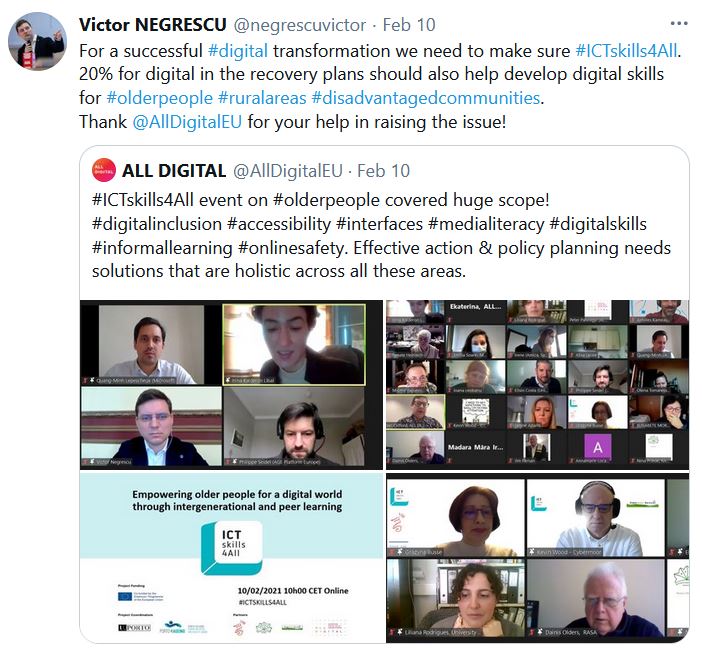
Victor Negrescu MEP and Vice-Chair CULT Committee on Education and Training continued with a powerful perspective on the need for a holistic approach. Older people need to have more ownership of the digitisation process, and Victor set out the need to build a specific action plan to address inequalities for older people in digital and social participation. Furthermore, older people are far more active than perceived, and often have no choice but to self-learn about technology. It’s important to highlight to member states that digital education for older people should be included the European Semester. Victor made a pledge to follow this up with funding from the European Parliament, and later tweeted that the “20% for digital in the recovery plans should also help digital skills for older people and rural communities.”
There was time for some quick questions from the audience, where a question was asked about what were the mistakes of the technology sector in this area, but which was also then posed to the other panellists to cover the mistakes of policy makers. A final question was asked about how to make high-level policies applicable and effective at a local level.
After a quick coffee, the second part of the event covered more specifically the ICTSkills4All project itself, its results, approaches and partners’ experiences. The second part started with videos from older people involved in the project. The older participants from the UK and Poland talked about the fears and stresses they have about technology, how security is important to them and how social connections can be opened up with support from projects like ICTSkills4All.
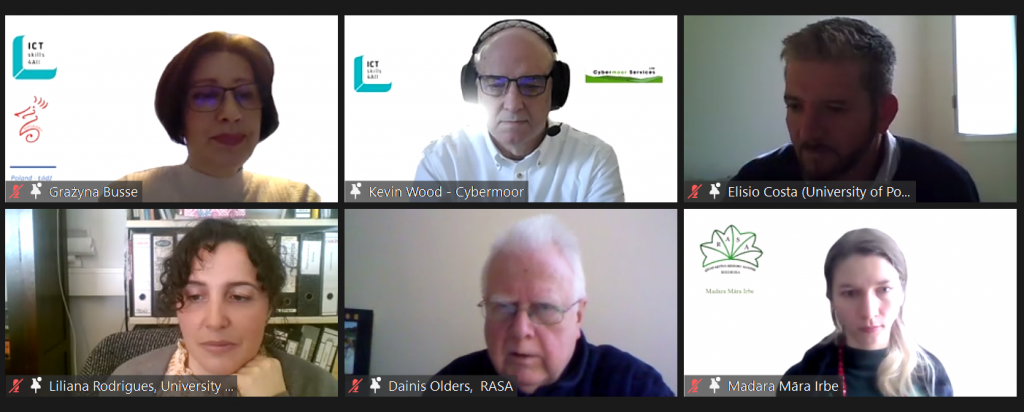
Elísio Costa of the University of Porto in Portugal, the project coordinator, gave an overview of the project. He also explored in some detail a range of fascinating insights about demographics, the (hidden) price of longevity, the low prevalence of digital skills amongst the age group, how social exclusion is driven by technology, and how societal challenges like this provide the greatest opportunities.
Madara Irbe of Rigas Aktivo Senioru Alianse (RASA) from Latvia then talked about the training practice. Madara covered a range of topics from the pedagogy of the peer to peer trainers, the need for a calm learning environment, the motivations of learners, course materials and content, and how after the training the beneficiaries have become more socially active in their communities.
Liliana Rodrigues, also from the University of Porto, gave a fascinating insight into good design practices for developing websites and learning systems for older people. This covered user-led design, accessibility and usability, including font sizes, colours and screen size, as well as button design, menus and issues with touchscreens.
Grażyna Busse of HIPOKAMP in Poland then gave a presentation with detailed insights into educating older people with digital competences. There are a range of challenges in this, many of which are around distinguishing between “learning to use digital tools and learning through the use of digital tools”. To really unlock education for older people, it should not just be about acquiring knowledge, but also about learning how to learn, and how older people learn.
Dainis Olders from RASA in Latvia then gave a fascinating insight through a series of powerful images clearly showing how peer educators engage older learners very differently to intergenerational educators. This insight is of great significance to other projects with intergenerational educators as a focus.
Finally, Kevin Wood from Cybermoor Services in the UK, gave his experience of delivering training face to face versus delivering online in the middle of the pandemic in the UK through a visual illustration comparing barns.
You can watch the full event in the video below
00:02:57 Welcome. Prof. Achilles Kameas, Chair of the Board, ALL DIGITAL
00:15:25 Session 1: Boosting digital inclusion of older people during and after the pandemic: Which strategies for the future?
- 00:18:52 – Irina Kalderon Libal, eHealth and Ageing Policy, DG CNECT
- 00:35:23 – Victor Negrescu MEP, Vice-Chair CULT Committee on Education & Training
- 00:44:44 – Philippe Seidel, Policy and EP Liaison Officer, AGE Platform
- 00:52:39 – Quang-Minh Lepescheux, Director, EU Government Affairs, Microsoft
- 01:01:10 – Questions from the audience
01:19:19 Session 2: ICTSkills4All project results, partners’ experiences, and future perspective
- 01:39:00 – Elísio Costa – University of Porto, Portugal
- 01:54:43 – Madara Mara Irbe – Rigas Aktivo Senioru Alianse, Latvia
- 02:03:25 – Liliana Rodrigues – University of Porto, Portugal
- 02:14:16 – Grażyna Busse – HIPOKAMP Educational Centre of Intergenerational Integration, Poland
- 02:29:05 – Dainis Olders – Rigas Aktivo Senioru Alianse, Latvia
- 02:35:30 – Kevin Wood – Cybermoor Services, United Kingdom


