15 Apr How to promote active citizenship of disadvantaged young people? ACTIon is the answer
15 Apr, 2021
Being online is a way of living for young Europeans. In 2019, 94 % of young people in the EU made daily use of the internet, compared with 77 % for the whole population (Eurostat, Being young in Europe today – digital world, 2020).
However, young people do not use the full potential of digital technologies to access information on their civic rights, on health and education issues, and to participate in decision-making processes. The most common online civic activities for young people 16-29 y.o. were interaction with public authorities and obtaining information from public authorities’ websites. Only 15% of young people posted their opinions on civic or political issues and 17% took part in online consultations and voted to define civic or political issues.
There is a clear gap in the way young people use digital technologies, and this gap is even wider when it comes to disadvantaged youth.
It will train young people on how to use digital technologies to participate actively in their community, and in society as a whole. Partners will develop a tailor-made training programme for youth role models from disadvantaged groups (Roma, migrants) that can be used with the youth in both formal and non-formal education.
The project’s main target groups are adolescents and young people (aged 14-25), youth activists, volunteers and informal peer leaders in non-formal education and community settings like youth organisations and community education centres.
Partners will use three good practices:
- The Popular Opinion Leader (POL)
- The I.R.E. – From Idea to Reality and Execution app
- The OPIN youth e-participation platform
The goal is to combine offline and online education and methods to complement each other and foster active participation of the youth groups.
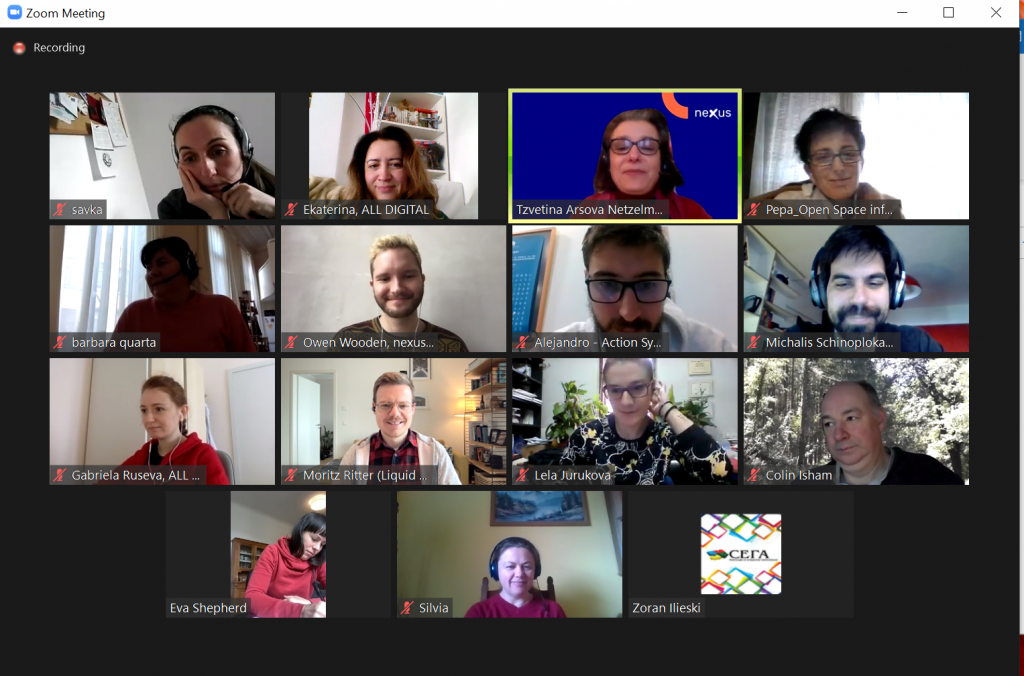
ACTIon brings together six partners from five countries (Belgium, Bulgaria, Germany, Greece, North Macedonia) with complementary expertise in social inclusion, education, (digital) participation, and network cooperation.
To follow the current developments of the project, stay tuned for the project website (coming soon) and look out for our hashtag on social media #ACTIonEUProject.